Етиопија
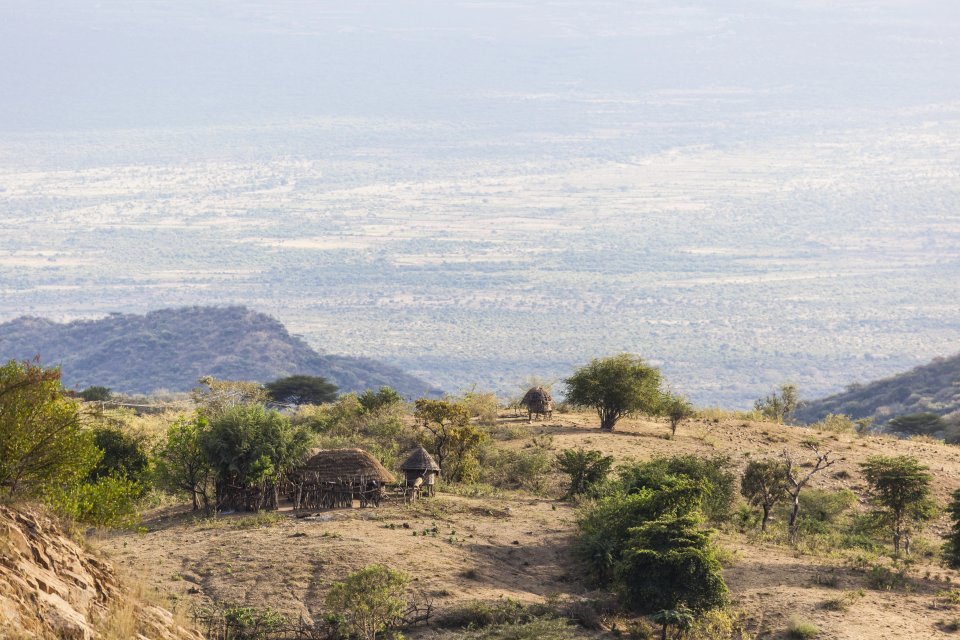
The Omo Valley, located in the southwestern part of Ethiopia, is home to some of Africa's oldest and most fascinating tribes, each with its own unique culture, language, and traditions. The region is known for its rich ethnic diversity, with over 16 different tribes residing in the area, making it a significant area for anthropological and cultural studies. The Omo Valley is not only a place of natural beauty but also a living testament to the resilience and creativity of its indigenous peoples. The Omo River is the life-line of the region, meandering from north to south where it empties into Lake Turkana on the Kenyan border. Below is an overview of some of the prominent tribes in the Omo Valley:
1. Hamar Tribe
The Hamar people are known for their vibrant cultural practices, including traditional music, dance, and ceremonies. They are primarily pastoralists, relying on cattle herding for their livelihood. One of the most notable ceremonies is the "bull-jumping" ritual, which is a rite of passage for young men. Successfully jumping over a line of cattle is seen as a demonstration of bravery and readiness for marriage. Hamar women often wear traditional attire made from animal skins and beads, and they are known for their elaborate hairstyles adorned with ochre and other decorations.
2. Mursi Tribe
The Mursi are famous for their unique lip plates, which are worn by women as a symbol of beauty and social status. The practice involves inserting a clay disc into the lower lip, gradually increasing its size over time. The Mursi are primarily agriculturalists, growing crops such as sorghum and maize, alongside raising cattle. They have a rich tradition of music and dance, often incorporating these elements into their cultural ceremonies.
3. Karo Tribe
The Karo are known for their intricate body painting and decoration, often using natural pigments to create elaborate and vibrant designs for ceremonies and festivals. They primarily live along the banks of the Omo River, engaging in fishing and farming, particularly cultivating crops like sorghum and millet. The Karo have a matrilineal social structure, where lineage and inheritance are traced through the mother. The Karo are also recognized for their unique rituals and ceremonies, which often involve elaborate dances and celebrations.
4. Dasanach Tribe
The Dasanach inhabit the area around Lake Turkana and are known for their semi-nomadic lifestylehey have a rich cultural heritage, with traditional music and dance playing a significant role in their community life. The Dasanach are also known for their colorful clothing and body adornments. The Dasanach engage in fishing, livestock herding, and agriculture, adapting their lifestyle to the arid environment.
5. Suri Tribe
The Suri people speak the Suri language and are known for their distinct cultural practices, including the use of body paint and scarification. They are primarily pastoralists, herding cattle and goats, and engage in agriculture as well. The Suri have a strong warrior culture, and their traditional practices include elaborate ceremonies and rituals, including those related to marriage and conflict resolution.
6. Banna Tribe
The Banna are known for their agricultural skills, cultivating crops such as maize, sorghum, and millet. They celebrate various festivals that involve traditional music, dance, and communal feasting. The Banna have a complex social structure with strong kinship ties and community involvement. The Banna also have unique initiation ceremonies and are recognized for their vibrant traditional attire.
7. Gamo:
The Gamo people are known for their agricultural practices, particularly in the cultivation of crops such as coffee and enset (false banana). They have a rich cultural heritage, with traditional music, dance, and festivals playing an important role in their community life.
8. Konso:
The Konso tribe is recognized for their terraced farming and unique cultural practices, including the construction of stone-walled villages. They have a rich oral tradition and are known for their wooden sculptures, which often depict important figures in their history.
9. Arbore:
The Arbore people are known for their agricultural practices and fishing along the Omo River. They have a rich cultural heritage, with traditional music and dance being integral to their community life. The Arbore are also recognized for their colorful clothing and body adornments.
