Руанда
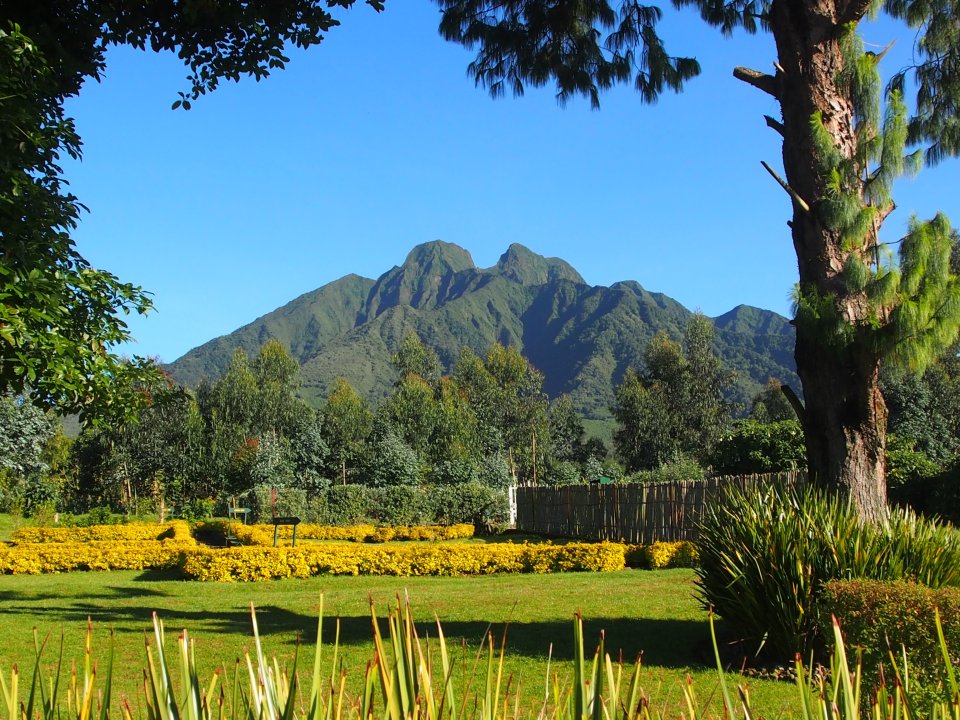
Volcanoes National Park, located in the northwestern region of Rwanda, is renowned for its stunning landscapes and rich biodiversity. It is part of the Virunga Massif, a chain of volcanic mountains that straddles the borders of Rwanda, Uganda, and the Democratic Republic of the Congo. The park covers an area of approximately 160 square kilometers and is home to five of the eight volcanoes in the Virunga Range: Karisimbi, Bisoke, Muhabura, Gahinga, and Sabyinyo.
One of the park's most significant attractions is its population of mountain gorillas, which are critically endangered. Volcanoes National Park is one of the few places in the world where visitors can trek to see these magnificent creatures in their natural habitat. The park is also home to other wildlife, including golden monkeys, various bird species, and diverse plant life, making it a hotspot for biodiversity.
The park's terrain is characterized by lush montane forests, bamboo groves, and volcanic landscapes, providing a unique ecosystem that supports a variety of flora and fauna. Trekking through the park offers breathtaking views of the surrounding mountains and valleys, and visitors can engage in activities such as gorilla trekking, hiking, and birdwatching.
Volcanoes National Park is a prominent national park located in the northwestern region of Rwanda, near the border with Uganda and the Democratic Republic of the Congo. Established in 1925 as a reserve for the endangered mountain gorillas, it is one of the oldest national parks in Africa and covers an area of approximately 160 square kilometers (62 square miles). The park is part of the Virunga Massif, a chain of volcanic mountains that includes several notable peaks. Volcanoes National Park is a remarkable destination that combines stunning natural beauty, rich biodiversity, and cultural heritage.
Key Features
Mountain Gorillas: Volcanoes National Park is best known for its population of mountain gorillas, which are critically endangered. The park is home to about half of the world's remaining mountain gorilla population, making it a prime destination for gorilla trekking. Visitors can participate in guided treks to observe these magnificent creatures in their natural habitat, providing a unique and unforgettable wildlife experience.
Volcanic Landscape: The park is characterized by its dramatic volcanic landscape, featuring five major volcanoes: Karisimbi, Bisoke, Muhabura, Gahinga, and Sabyinyo. Karisimbi is the highest peak at 4,507 meters (14,783 feet), while Bisoke is known for its beautiful crater lake. The volcanic terrain offers a variety of hiking opportunities, with trails that vary in difficulty and length.
Biodiversity: In addition to mountain gorillas, the park is home to a diverse range of wildlife, including golden monkeys, buffalo, elephants, and various bird species. The rich biodiversity is supported by the park's varied ecosystems, which include montane forests, bamboo groves, and grasslands. Birdwatchers can find over 200 species of birds, including several endemic species.
Cultural Significance: The park is not only a natural treasure but also holds cultural significance for the local communities. The indigenous Batwa people, who traditionally lived in the forest, have a deep connection to the land and its wildlife. Efforts have been made to involve local communities in conservation and tourism initiatives, providing them with economic opportunities while promoting the protection of the park's natural resources.
Tourism and Activities: Volcanoes National Park is a major tourist destination, attracting visitors from around the world. In addition to gorilla trekking, visitors can engage in activities such as hiking to the summit of the volcanoes, exploring the beautiful landscapes, and visiting the nearby Musanze caves. The park also offers opportunities for cultural experiences, including visits to local communities and learning about traditional practices.
Conservation Efforts: Conservation efforts in Volcanoes National Park have been crucial in protecting the mountain gorillas and their habitat. Organizations such as the Dian Fossey Gorilla Fund have played a significant role in research, conservation, and community engagement. The park's management focuses on sustainable tourism practices to ensure the long-term preservation of its unique ecosystems.
Volcanoes National Park is a remarkable destination that combines stunning natural beauty, rich biodiversity, and cultural heritage. Its significance as a sanctuary for mountain gorillas and other wildlife, along with its breathtaking landscapes, makes it a must-visit location for nature enthusiasts and adventure seekers alike. The park not only offers a chance to witness one of the world's most endangered species but also provides an opportunity to engage with the local culture and contribute to conservation efforts in the region.
